What Will My Baby Look Like? Understanding Genetics & AI Predictions
Every parent-to-be has wondered: what will my baby look like? Will they have mom's eyes or dad's smile? Understanding how genetics works can give you fascinating insights into your future child's appearance.
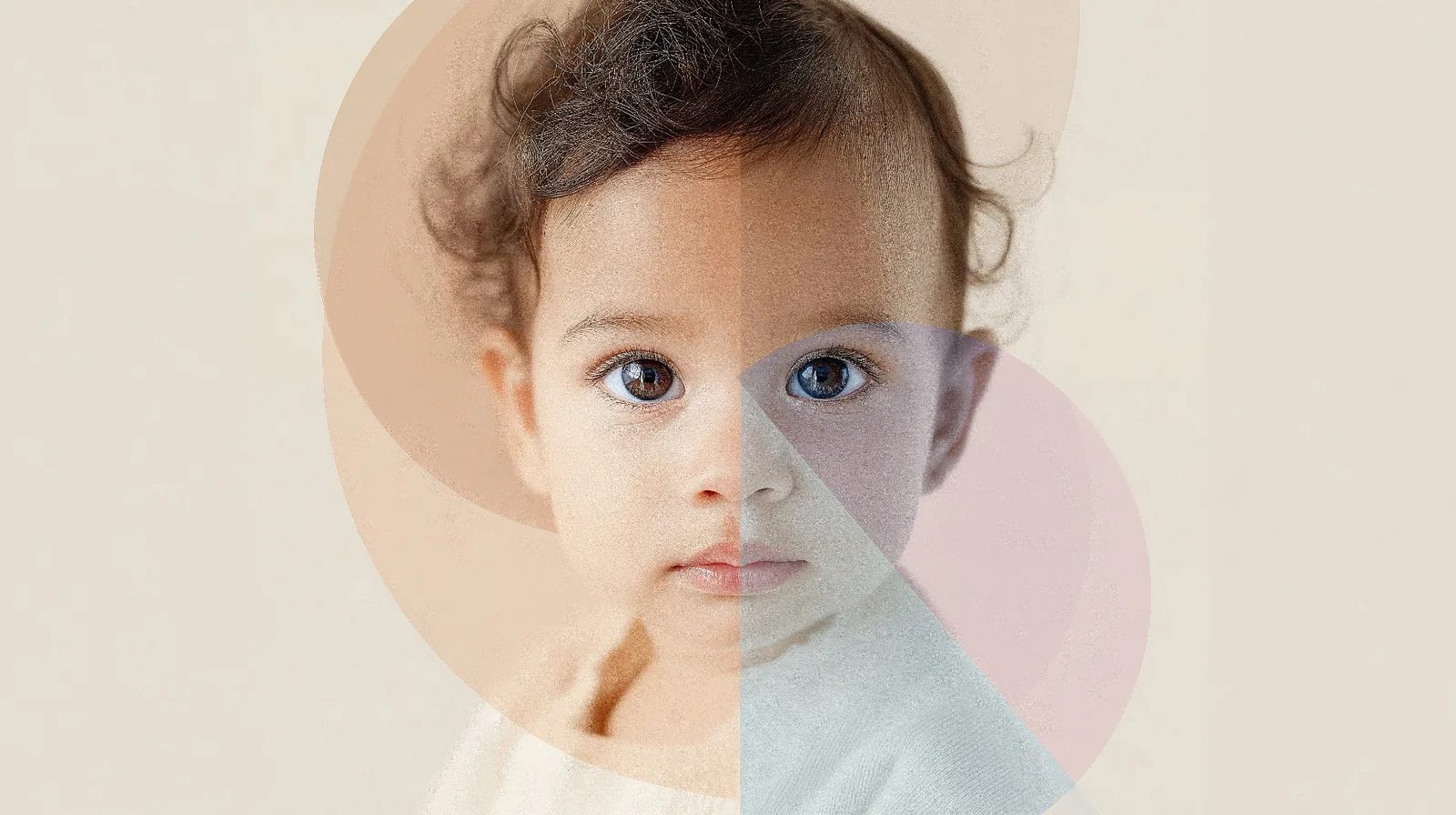
How Genetics Determines Baby's Appearance
Your baby inherits 50% of their DNA from each parent. But genetics isn't as simple as mixing paint – it's a complex interplay of dominant and recessive genes.
Eye Color Genetics
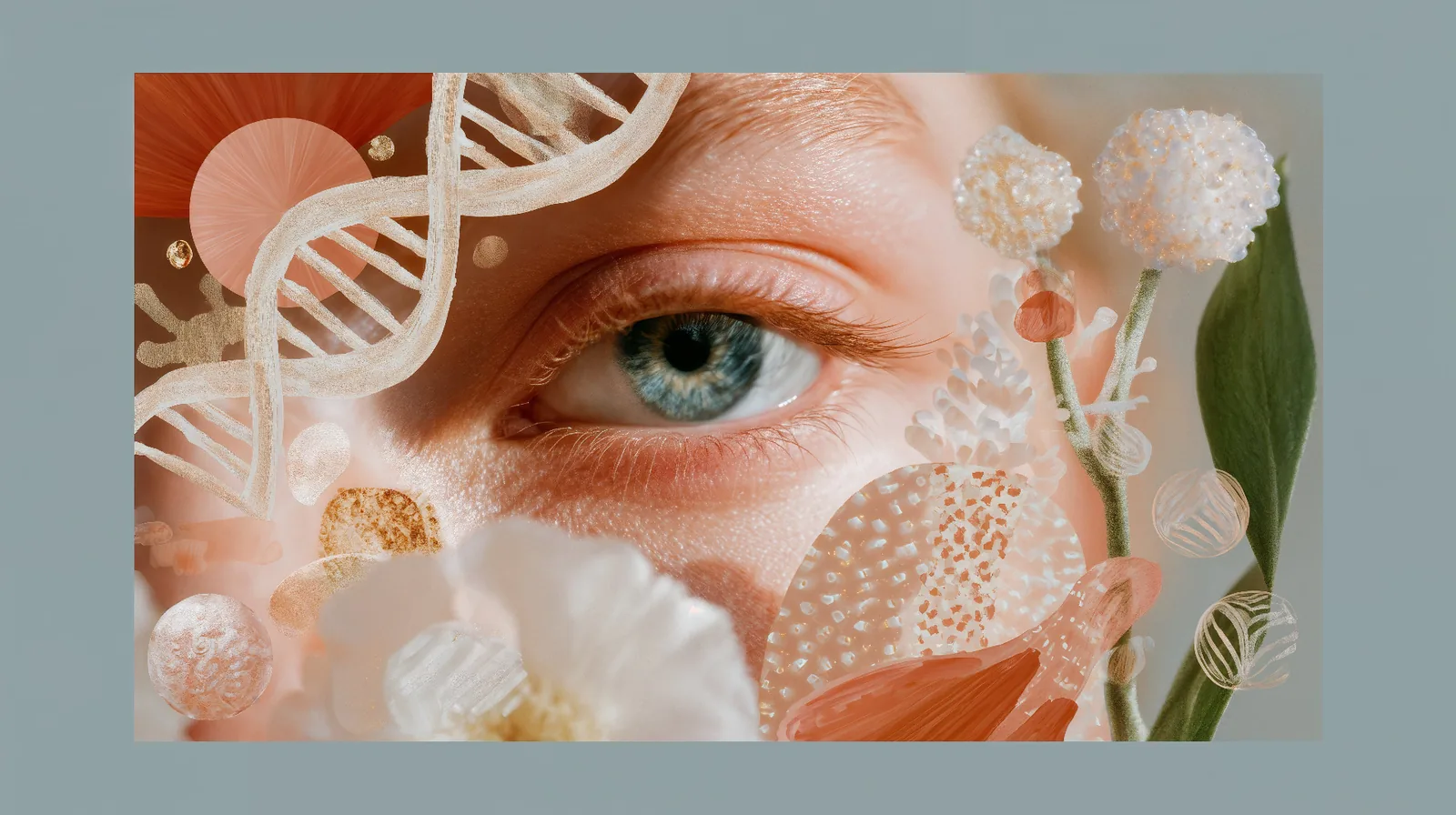
Eye color is one of the most fascinating genetic traits:
- Brown eyes are typically dominant over blue and green
- Blue eyes require two copies of the recessive blue-eye gene
- Green eyes are caused by a combination of yellow and blue pigments
- Hazel eyes result from a mix of melanin types
However, it's not just one gene! At least 16 genes influence eye color, which is why two brown-eyed parents can sometimes have a blue-eyed child.
Hair Color and Texture
Hair genetics involve multiple genes:
- Dark hair tends to be dominant over light hair
- Red hair requires two copies of the MC1R gene variant
- Curly hair is usually dominant over straight hair
- Hair texture can change dramatically during childhood
Facial Features
Your baby's facial structure combines elements from both parents:
- Nose shape is influenced by at least 4 different genes
- Dimples are a dominant trait – if one parent has them, baby might too!
- Freckles are dominant and often appear in childhood
- Face shape is polygenic, meaning many genes contribute
Can AI Really Predict My Baby's Appearance?
Modern AI technology has made remarkable advances in facial prediction. Here's how it works:
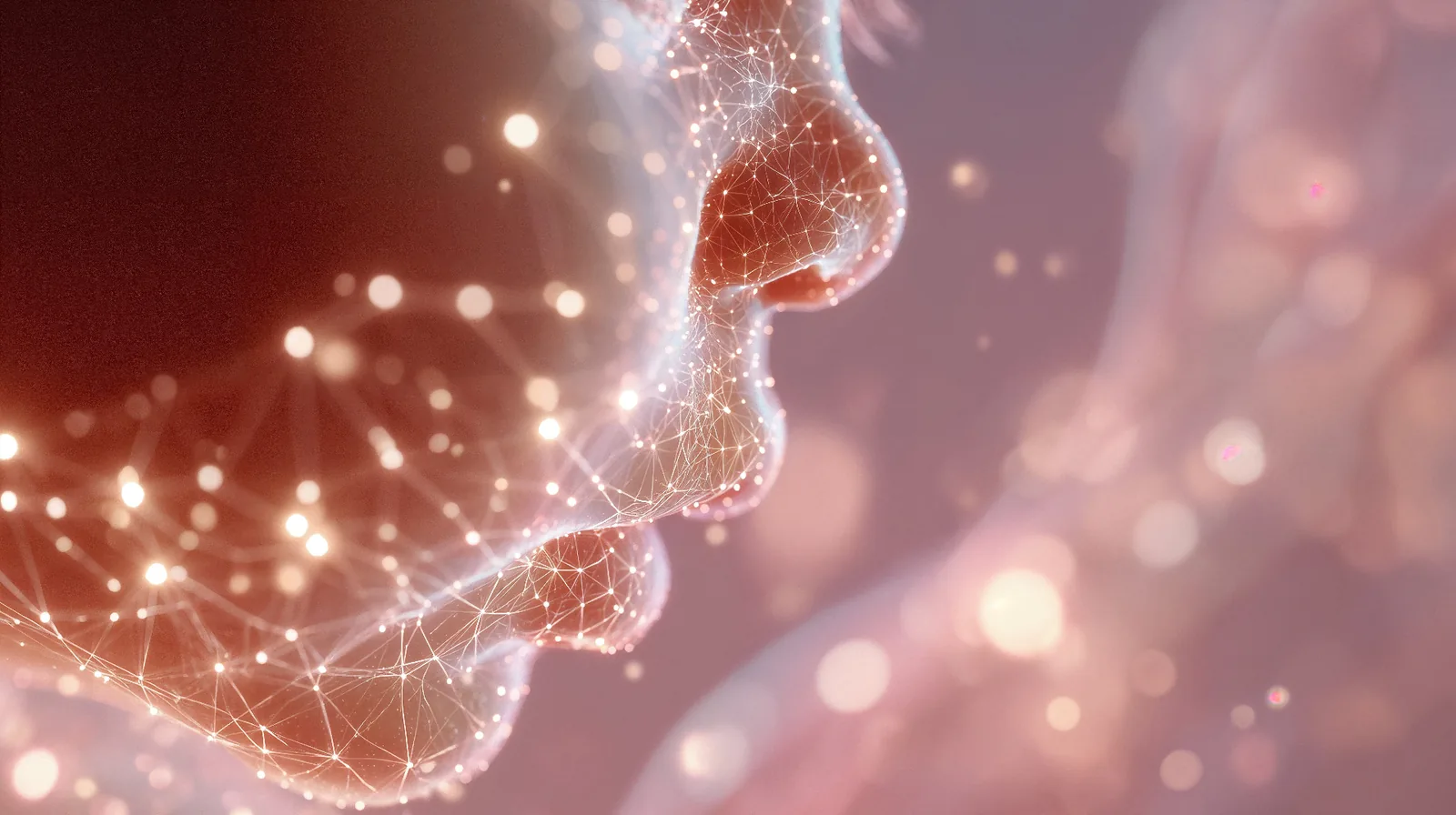
How AI Baby Generators Work
- Facial Feature Analysis: AI algorithms identify key facial landmarks from both parent photos
- Genetic Modeling: The system applies genetic probability models to predict feature combinations
- Neural Network Processing: Deep learning creates realistic baby images based on the analysis
- Age Progression: Advanced systems can show your baby at different ages
The Science Behind AI Predictions
AI baby generators use:
- Convolutional Neural Networks (CNNs) for facial recognition
- Generative Adversarial Networks (GANs) for creating realistic images
- Machine learning models trained on thousands of family photos
While no prediction is 100% accurate, modern AI can provide remarkably realistic possibilities of what your baby might look like.
What Traits Are Harder to Predict?
Some features are more unpredictable:
- Exact skin tone – influenced by many genes
- Height – determined by 700+ genes plus environment
- Personality traits – mostly shaped by environment
- Athletic ability – combination of genetics and nurture
Fun Facts About Baby Genetics
- All babies are born with blue or gray eyes – permanent color develops over months
- Many Caucasian babies are born with light hair that darkens over time
- Baby's features continue changing throughout the first year
- Twins don't always look identical at birth
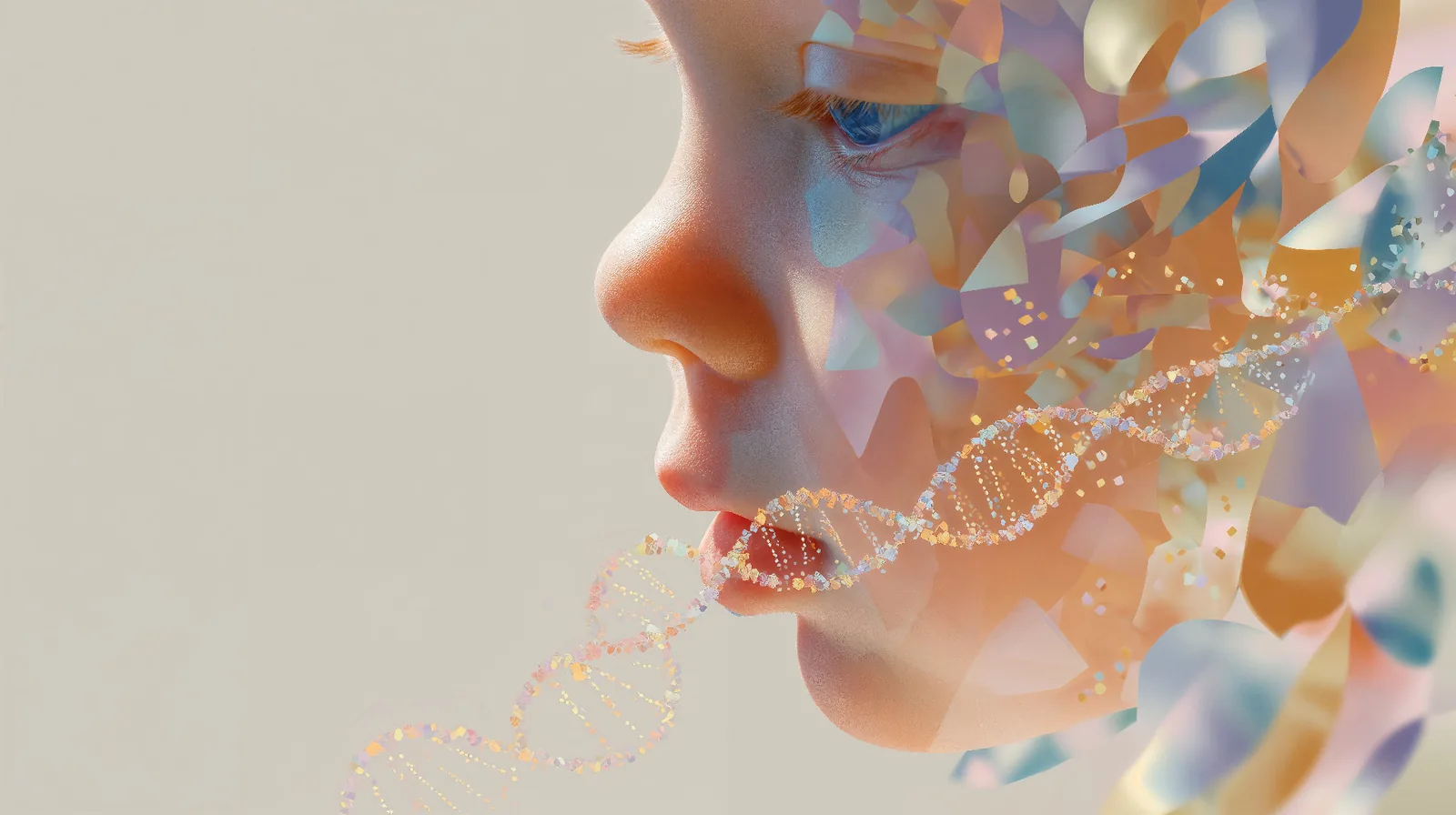
Try It Yourself
Curious to see what your future baby might look like? Modern AI technology makes it possible to get a glimpse into the future. Upload photos of both parents and let advanced algorithms create realistic predictions of your future child.
Remember: Every baby is unique and beautiful, regardless of predictions. The joy of meeting your child comes from discovering all the wonderful surprises they bring!
Share this article