Do Babies Look More Like Mom or Dad? What Science Actually Says
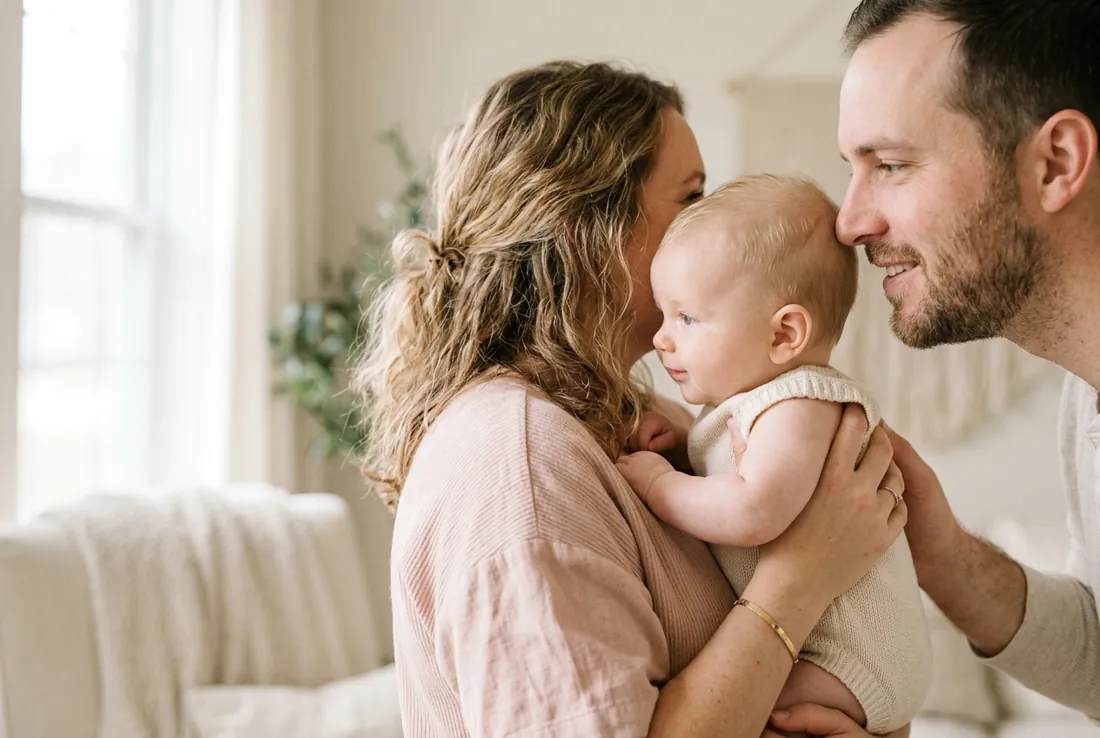
"He's the spitting image of his father!" It's practically a delivery-room tradition. But is there any science behind the idea that babies look more like dad — or is it just something we say?
The Famous 1995 Study — and Its Reversal
In 1995, researchers published a striking finding: strangers could match photos of one-year-olds to their fathers more accurately than to their mothers. The evolutionary explanation sounded neat — babies "advertise" paternity to secure fatherly investment.
There was just one problem: nobody could replicate it. Follow-up studies with larger photo sets found either no difference or a slight tilt toward mothers. Today's scientific consensus is wonderfully boring: babies resemble both parents roughly equally, and who they favor can flip several times as they grow.
What You Actually Inherit From Each Parent
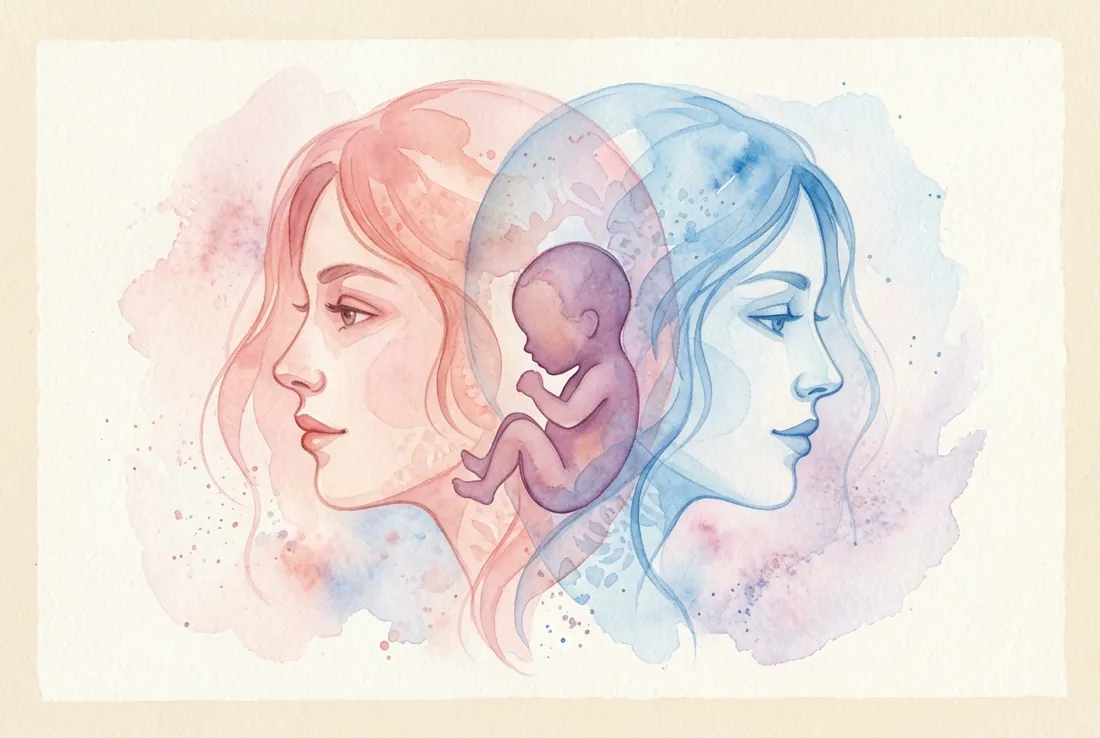
You get 50% of your DNA from each parent — but genes don't express themselves 50/50 in a face:
- Dominant traits like dimples, cleft chins and detached earlobes can come through strongly from one parent
- Face shape tends to blend, which is why babies often look like "someone new"
- Some features skip generations — grandma's curls can surface in a grandchild who got them from neither visible parent
The Resemblance Timeline
Here's what parents consistently report (and what studies of facial development support):
- Newborn: squished and puffy — resembles mostly... a newborn
- 3–12 months: features settle; the first real "she has your eyes!" moments
- Toddler to school age: resemblance can visibly shift from one parent to the other
- Teen years: adult bone structure emerges and the final mix locks in
So when relatives argue at the christening about whose nose the baby has — they may all be right, just at different ages.
Settle It the Fun Way
Science says "it's a blend." Your family group chat says otherwise. Two ways to find out:
- Take our free 1-minute Mom or Dad quiz — eight playful questions, instant percentage verdict
- Skip the debate entirely: upload both parents' photos and let AI show you the actual blended face
FAQ
Is it true that firstborns look more like their father?
No study has ever confirmed this. Birth order has no effect on which parent a child resembles.
Why does my baby look like neither of us?
Recessive genes! You each carry thousands of hidden variants. When two quiet genes meet, the result can surprise everyone — including the grandparents whose traits just resurfaced.
Can resemblance really change over time?
Yes, dramatically. Facial proportions change more between birth and age five than at any other time of life. The parent your child "favors" at one may not be the one they favor at ten.
See the Blend, Not the Debate
Our AI looks at both faces the way genetics does — as a library of features to combine — and shows you a realistic photo of the child those two faces could make.
Share this article